Understanding Caribou Composition Surveys
Original post
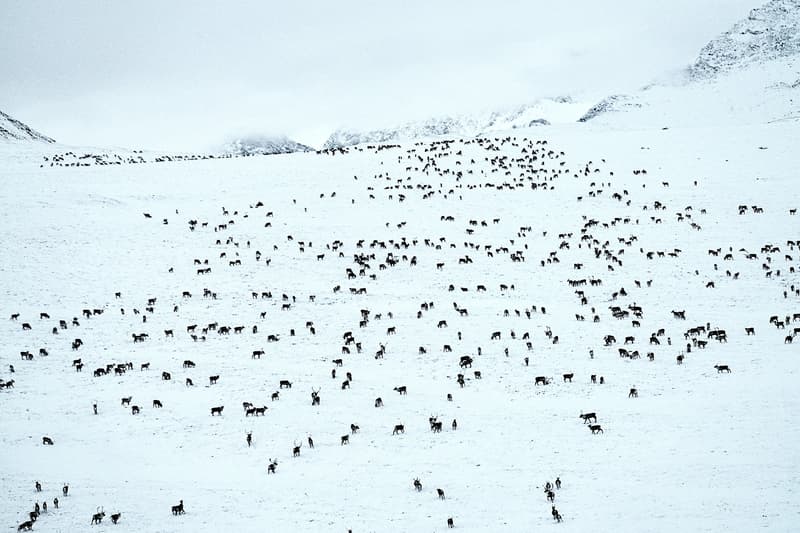
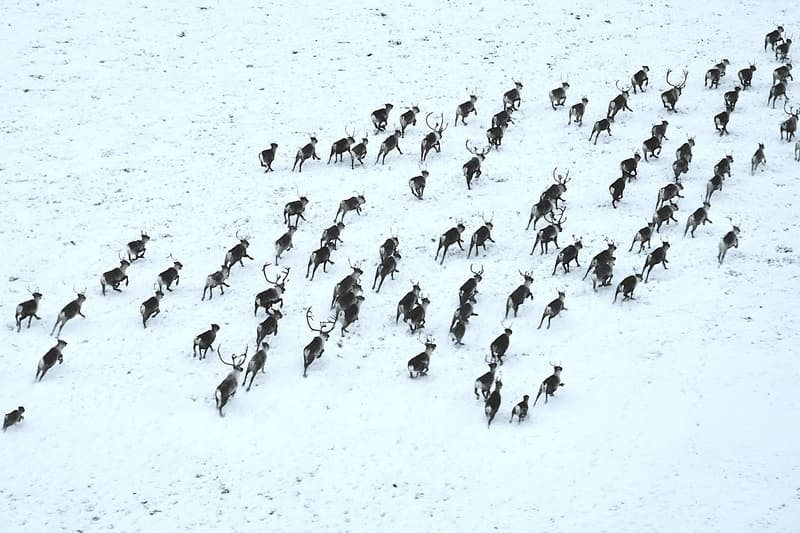
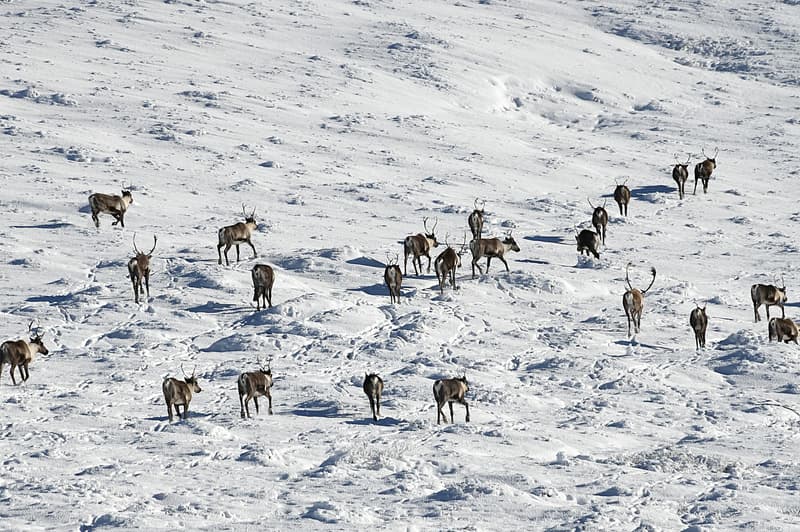
What are caribou composition surveys and why are they important? Bull or Cow Caribou? Adult or Young? Why biologists perform Caribou composition surveys (called rut counts in Canada) Knowing how many animals are in a caribou herd is an important aspect of management. But there is more to the equation than “how many”. Knowing the makeup of the herd — the composition of bulls vs. cows and young vs. old animals — provides the context necessary for determining appropriate management actions. Composition surveys estimate the makeup of a herd. They are often the first or only piece of data collected each year on caribou herds that aren’t monitored intensively. A survey can provide basic information about major changes in a herd, such as a drop in fall calf numbers or a sudden change in bull-cow ratios, that need more investigation. Bull caribou are an important demographic in a caribou herd but fewer bulls than cows are necessary for reproduction purposes. Managers often set a goal for maintaining a certain proportion of bulls to cow caribou in a herd. This is usually around 30 or 40 bulls per 100 cows, which provides plenty of bulls for breeding and enough bulls for hunter satisfaction. ADF&G maintains radio/satellite collared caribou within each herd and these collars are used throughout the year for different management actions. For composition surveys, the collars are used to determine when bulls and cows are sufficiently mixed, indicating that the rut is in full swing. The goal is to survey caribou when all demographic groups (bulls, cows, old, young) are mixed; the peak of the rut is one of the only times of year when this is likely to occur. The caribou rut is in late September through October. To complete the composition survey, airplanes are used to radio-track collared caribou and provide locations to a biologist in a helicopter. The biologist in the helicopter flies behind groups of caribou quickly determining the sex and age of each animal. Categories include cow, calf, small bull (yearling), medium bull, and large bull. The tally is kept on a tally whacker or a voice recorder. A survey attempts to capture a minimum of 10% of the herd, but some surveys look at a much higher proportion of the animals. In some smaller herds, this survey serves as a minimum count of the population. During the survey, the number of calves and yearlings, in relation to the number of cows, is also recorded for information about young survival and how many new animals are potentially getting added to the population. This fall, the northern caribou herds with completed composition surveys include the Fortymile, the Central Arctic, Teshekpuk, Delta, Macomb, and Chisana herds. Can you look at the images and determine if the animals are bulls or cows. Here are links to some ID guides and an ID quiz. https://www.adfg.alaska.gov/index.cfm?adfg=caribouidentification.main https://www.adfg.alaska.gov/static/hunting/caribouhunting/pdfs/bull_or_cow_caribou_how_to_distinguish_in_field.pdf
Wrong time, place or other detail? Send a private correction to OlenHub.